TFR Team Review · Oct 30, 2026
QJM Dynasty League

Jeremiah & Friends
5th of 10 by value|1-6
 Data drives
dynasties
Team state
ONE YEAR RELOAD
Now: RELOAD
2 yrs: CONTEND
Overall roster grade
About average roster value
Overall grade · 5.2 of 10Everything on the roster added up — players and draft picks at this league's values — and set against the league's average roster. An average roster lands around 5.5; 10 is the richest a roster gets.Roster shape
QB HOUSE
Best QB 2nd
Worst WR 9th
Positional grades
League rank · of 10Best position
QB 2nd
Top 3 of 10
2nd of 10 in quarterback trade value — what the room is worth to move, weighted toward the men who start. It is not a count of points. The lineup backs it up: 3 clear 12 PPG for 2 starting spots, so there is a startable body behind the starters.Biggest gap
WR 9th
Bottom third of 10
9th of 10 in receiver trade value — what the room is worth to move, weighted toward the men who start. It is not a count of points. The lineup backs it up: 4 clear 9 PPG for 3 starting spots, so there is a startable body behind the starters.Production share
8.9%
vs league avg 10.0%
Value share
9.7%
vs league avg 10.0%
Draft capital
5 1sts · 4 2nds
2 year outlook
RELOAD→CONTEND
Roster workspace
10 starters · 1QB · 2RB · 3WR · 1TE · 2FLEX · 1SFProjected pointsFilled with the best available player at each slot on expected points per game. Cam Skattebo and Juwan Johnson are on bye in week 8, so they sit — this is this week's total. The season projection is 126.6 a week, 10th of 10.122.6Starting lineup
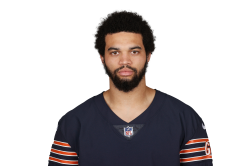 Caleb WilliamsCHI · 24QB219.4
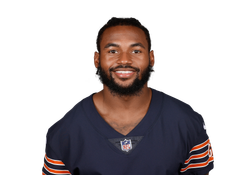 D'Andre SwiftCHI · 27RB1914.4
 Rachaad WhiteWAS · 27RB418.7
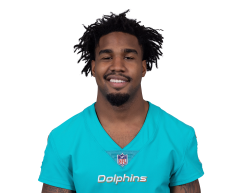 Jaylen WaddleDEN · 27WR3211.5
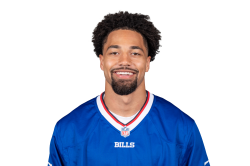 Khalil ShakirBUF · 26WR6610.5
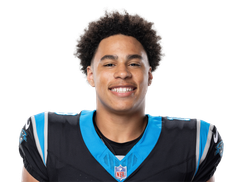 Jalen CokerCAR · 25WR2910.4
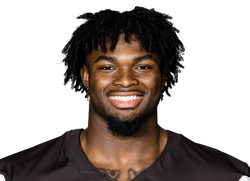 Harold Fannin Jr.CLE · 22TE710.2
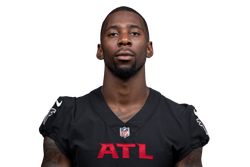 Kyle Pitts Sr.ATL · 26TE129.7
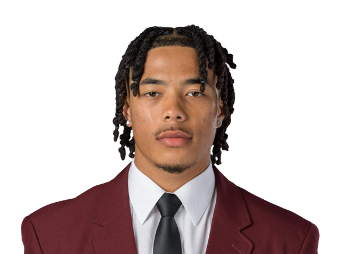 Makai LemonPHI · 22WR259.2
 Jayden DanielsWAS · 25QB618.7
Roster
Quarterbacks
4Caleb WilliamsCHI · 24QB2BUYTFR board · BUY 2/10I think he is close to peak price, a shop more than sell… he might be the truthJayden DanielsWAS · 25QB6HOLDTFR board · HOLD 5/10GG, boom or bust, seems like a bust… still elite, but I'd sell if able. Can't stay healthy Cam WardTEN · 24QB26SELLTFR board · SELL 10/10On the Buy / Hold / Sell board without a written note.
 Garrett NussmeierKC · 24QB46—
Running backs
8 De'Von AchaneIRMIA · 25RB9BUYTFR board · BUY 5/10Put out some feelers based on market price…. Seen wild deals acceptedD'Andre SwiftCHI · 27RB19BUYTFR board · BUY 5/10target as contender/1 year reload… otherwise sell he's rising a lot in value
 Cam SkatteboNYG · 24RB22SELLTFR board · SELL 10/10Sell high on tracy newsRachaad WhiteWAS · 27RB41SELLTFR board · SELL 10/10Sell high
 Tyler AllgeierARI · 26RB48SELLTFR board · SELL 7/10On the Buy / Hold / Sell board without a written note.
 Chris Rodriguez Jr.JAX · 27RB49SELLTFR board · SELL 3/10On the Buy / Hold / Sell board without a written note.
 Tyrone Tracy Jr.IRNYG · 26RB58SELLTFR board · SELL 10/10On the Buy / Hold / Sell board without a written note.
 Tyler GoodsonDAL · 25RB97—
Wide receivers
8Makai LemonPHI · 22WR25BUYTFR board · BUY 8/10Price DROPPING… Yard Sale prices… check JSN's rookie year… finally a solid game, and if Devonta gets shut down…Jalen CokerCAR · 25WR29BUYTFR board · BUY 5/10Still value to be made… I don't believe long term thoughJaylen WaddleDEN · 27WR32SELLTFR board · SELL 8/10On the Buy / Hold / Sell board without a written note. Alec PierceIRIND · 26WR41SELLTFR board · SELL 10/10On the Buy / Hold / Sell board without a written note.
 Romeo DoubsIRNE · 26WR61HOLDTFR board · HOLD 5/10On the Buy / Hold / Sell board without a written note.Khalil ShakirBUF · 26WR66HOLDTFR board · HOLD 5/10On the Buy / Hold / Sell board without a written note.
 Chris Brazzell IIIRCAR · 23WR86HOLDTFR board · HOLD 5/10On the Buy / Hold / Sell board without a written note.
 Isaac TeSlaaDET · 24WR91—
Tight ends
5Harold Fannin Jr.CLE · 22TE7BUYTFR board · BUY 10/10Great long term asset, buy the dipKyle Pitts Sr.ATL · 26TE12BUYTFR board · BUY 7/10Could be an inexplainable good buy low… not sure why so bad usage though Eli StowersPHI · 23TE15SELLTFR board · SELL 2/10On the Buy / Hold / Sell board without a written note.
 Juwan JohnsonNO · 30TE18—
 Michael MayerLV · 25TE32—
The TFR take
I dont see this discord name, DM me
The Roadmap
Your plan
RELOADWhy reloadStarting lineup produces 10th of 10 — not enough to win now.Roster value ranks 5th of 10, and climbs once every player is aged two seasons forward.Your core is younger than the league median, so time is on your side.This reads your playoff odds — your record, your lineup and the schedule left — as well as your roster, and leans on them more as the season goes on. Four things decide this split: how many points your starting lineup scores today, how much trade value you hold, what that value looks like once every player is two years older, and how your core's age compares to the rest of the league. Producing now pushes you toward CONTEND, holding value that hasn't reached your lineup yet pushes you toward RELOAD, and being young without the production pushes you toward REBUILD. A close split means the roster genuinely hasn't picked a side.
Jeremiah & Friends
UNDERPERFORMINGYou hold −3% the trade value of an average team and score −11% its weekly points. The assets are league-average but the lineup is not — this is a deployment and roster-construction problem before it is a talent problem.
The game plan
Your moves, most important first
 WR
Sell
Jaylen Waddle
Get a startable WR back
Shop Jaylen Waddle before his value drops — and get a startable receiver in return, the room has none to spare. WR
Buy
Michael Wilson
WR help · Heroin User
Buy Michael Wilson from Heroin User.Trade talks
Heroin User
Best fit for a deal
Open trade talks with Heroin User. QB
Shop
Caleb Williams
Young starter + a 1st
Take calls on Caleb Williams — price him at a young starter plus a first.
Top move
Trade down at QB to fix WRYour quarterback room is 50% above league average, 2nd of 10, while WR is 60% below league average, 9th of 10. But you start 2 quarterbacks a week and only 3 of yours clear 12 PPG, so you cannot simply send one out. Move your most expensive quarterback and insist on a startable quarterback coming back alongside the receiver — the value gap between the two is what pays for the upgrade. Heroin User is the roster shaped to take it.
Get a startable quarterback back in the same deal — this room has no spare body.
Season odds
We rebuild your league's real schedule, project each team's weekly score from its best legal starting lineup, then play the rest of the season out a few thousand times with realistic week-to-week swing. These are the share of those seasons where you make the bracket and where you win it. Games already played are kept as results, so the numbers sharpen as the season goes.10-team leaguePositional balance
Your roster value vs. league averageEverything you own in each group, added up and set against what an average team in this 10-team league carries there. Right of the line means you hold more than you can start, so that is where a trade should come from. Left of the line is where incoming value should land. FLEX is the best of what is left after your starters; DEPTH is everything behind that.Biggest need
WR−60%
Add up everything you own at WR and it is worth +60% less than an average team here carries — 9th of 10. You start 3 receivers a week, and you are filling those spots below league standard. This is where incoming value should land.Best strength
QB+50%
Add up everything you own at QB and it is worth +50% more than what an average team here carries — 2nd of 10. You start 2 quarterbacks a week and 3 of yours clear 12 PPG, so none of it is spare — this is quality to trade down from, not depth to ship out.Bench depth check
Can your bench survive an injury or a bye week?
Backup is startable
Cam Ward13.5 PPGQB
No true RB injury cover
Rachaad White8.7 PPGneeds 9RB
Bench receiver can start
Makai Lemon9.2 PPGWR
You have a usable TE2
Michael Mayer7.7 PPGTE
A flex body in reserve
Makai Lemon9.2 PPGWR
Second backup slot is fragile
Rachaad White8.7 PPGneeds 9RB
Roster diagnosis
Holding you back
3 problems
- 1WRWR is a hole, not a position group−60%Your receiver room holds −60% of the trade value the average team carries there and ranks 9th of 10. Every week you start someone the rest of the league would bench.
- 2TFR is selling 9 of your playersChris Rodriguez Jr., Tyrone Tracy Jr., Cam Skattebo sit on the Buy/Hold/Sell board as sells. You are holding assets our own board says the market is overpaying for.
- 3TETE is a hole, not a position group−39%Your tight end room holds −39% of the trade value the average team carries there and ranks 7th of 10. There is no week where this group wins you the matchup.
Your edge
3 advantages
- 1You already own 7 TFR buysCaleb Williams, Jalen Coker, Harold Fannin Jr. are flagged BUY on our board. The market has not caught up to these yet — hold them.
- 2QBQB is your strongest room+50%Your quarterback room holds +50% of what the average team carries there and ranks 2nd of 10 — but you start 2 quarterbacks a week and only 3 of them clear 12 PPG, so none of it is spare. The move here is trading quality down at QB and taking a startable body back, not shipping a QB out for nothing.
- 3Your value is liquidYour top 3 assets hold 34% of your roster value. You have 9 players inside the top 90, plus 9 tradeable picks in the first two rounds — the average team in this 10-team league holds 9.0. You can make a real offer without gutting a starting spot.
Trading difficultyHow easily this roster can make a deal. All your value in three studs scores low, because any trade opens a hole in your lineup. Value spread across seven or eight useful players — and picks in the first two rounds — scores high: you can make a real offer without gutting yourself.
How easy it is for you to make a deal
9Top-90 players
League avgLeague avg 9.0
91st & 2nd picks
Above avgLeague avg 4.0
34%Value in top 3
Spread outLeague avg 43%
2Movable bench
Above avgLeague avg 1.4
The verdict
Trading from this roster is easy.
- You can be aggressive in the trade market
- Your picks can pay for an upgrade
- No single trade guts this roster
Trade Ideas
These are alternative deals, not a sequence — you would do one of them, which is why the same piece can appear on more than one card. They come in four kinds. FILLS A NEED moves value from a room you're long in to the one you're short in. TIER UP sends one of your starters plus a piece for a better player at the same position — for the rooms that are already fine but could be better. YOUR BOARD comes from the Buy/Hold/Sell board: a player you're selling moved while someone will still pay, or a player you're buying asked for by name. SELL THE VET and WIN-NOW BUY are the trades where the two plans meet — a rebuild selling a veteran to a contender for youth or picks, or a contender paying a rebuild in futures for a producer. Every offer is checked for whether a person would accept it, not just whether the values add up: the side getting the best player pays a premium for consolidating, you can't buy someone far above the best chip you own, and every player you send has to be someone who'd actually crack their lineup. A rebuild is never handed back an older player than it sends, and a contender is never handed a player who is out for the season. The percentage on each card is whether that manager would actually want it — their window, whether it lands in a room they are thin at, what it costs them, and how often they trade at all.alternatives — you'd do one of themBetaTrade ideas are in beta and can be wrong — use them as a starting point, not as advice to follow blindly. Found a bad one? Screenshot it and send it to matthewbarghout on Discord — every real example is how we fix the logic.
FILLS A NEEDHeroin Usertrades occasionally
They are 1st of 10 at WR and can spare Michael Wilson. Pay in draft capital rather than out of the lineup: your WR room is 60% below league average, and picks are the one currency you can spend without opening a hole this season.
- Michael Wilson is on your BUY board — your read: “I like buying the dip if there is one here… but his value is going up…. When he's top 60 it's a good sell.”
⇄They receive
2027 1st (Birds)Pick
You receive
Michael WilsonWR
Fair offerA straight swap at the same tier, priced at the going rate — the easiest kind of offer to get a yes on.A one-for-one at the same tier — the easiest kind of deal to get answered, and the shape the market prices most reliably. Offers are built smallest-first, and every player going out has to be someone who would actually crack their lineup — filler they'd bench is what makes a trade offer get ignored.
70% likelyThey should want this: they are rebuilding and this is mostly draft capital, which is exactly what they are collecting.
YOUR BOARDBirdstrades often
Ask for Amon-Ra St. Brown by name — Birds can part with him, and your board says the market is still behind on him.
- Amon-Ra St. Brown is on your BUY board.
- Eli Stowers is on your SELL board.
- This manager trades often, so an offer here will actually get looked at.
⇄They receive
2027 1stPick
Eli StowersTE
You receive
Amon-Ra St. BrownWR
Pays the premium2 for 1 means you end up with the best player and the free roster spot, and they end up with the bodies — so the package has to come in over even, and this is about the minimum they'll look at. Expect one round of haggling.Going 2-for-1 hands you the better player and hands them the bodies, so the package has to come in about 9% above Amon-Ra St. Brown's straight value before a manager looks at it. This one does, and not a point more — sending more than this is overpaying, not closing. Offers are built smallest-first, and every player going out has to be someone who would actually crack their lineup — filler they'd bench is what makes a trade offer get ignored.
51% likelyWorth sending: it lands in their thinnest room, tight end, and this manager trades often.
FILLS A NEEDNerf Shanetrades occasionally
Dalton Kincaid is the piece to ask for at TE. Pay from QB, where you are 50% above league average and they rank 6th of 10 — value out of your deepest room and into TE, where you are only −39%.
- Cam Ward is on your SELL board.
- Heads up: Dalton Kincaid is on your SELL board — you would be buying what you are telling others to sell.
- Costs you your QB depth — replace that or the lineup gets thin.
⇄They receive
Cam WardQB
You receive
Dalton KincaidTE
Fair offerA straight swap at the same tier, priced at the going rate — the easiest kind of offer to get a yes on.A one-for-one at the same tier — the easiest kind of deal to get answered, and the shape the market prices most reliably. Offers are built smallest-first, and every player going out has to be someone who would actually crack their lineup — filler they'd bench is what makes a trade offer get ignored.
44% likelyA tough sell: you are asking for a tight end they cannot really spare, and they are contending and this sends them bodies rather than futures.
What Changes Your Window?
The gap between where you are and the next window, sized in the thing that actually moves it — points of starting-lineup production, or the value you'd need to add.You are 20.7 PPG of starting-lineup production away from a top-third lineup. One more starting-calibre receiver — bought with the bench value you already hold — flips you to CONTEND without touching your core.
Draft capitalEvery future pick you hold. A pick is priced as the player it is expected to become, so where it lands in the round is most of what it is worth — and where it lands is set by how the roster that owes it is projected to finish, not by how good they look on paper. You project to finish 10th of 10, so your own picks land early in each round.
14 picks over the next 2 drafts — about 2.7× what an average roster holds.
#1 / 10
Pick value rankEvery pick added up at this league's prices, ranked against the other 9 rosters.
14
Total picks
2.7×
League averageYour picks' combined value against what an average roster in this league holds. 1.0× is exactly average.
Draft capital value
Your pick value ranks 1st in this league.
Picks by year
Top asset
2027 1st roundearly
Worth about the dynasty #33 player.
Sign in to see this
Free account — takes 30 seconds. Rankings stay open to everyone.
Create free accountAlready have one? Sign in
Browse the rankings